


Stock Yards Bancorp: Record Q2 Earnings, Analyst Targets Rise, but Valuation Cautions
Stock Yards Bancorp reported record Q2 earnings, beating estimates on fee income and margin expansion. Analysts raised price targets, but the stock's valuation and risks warrant a balanced view.
By Stratton Journal Research
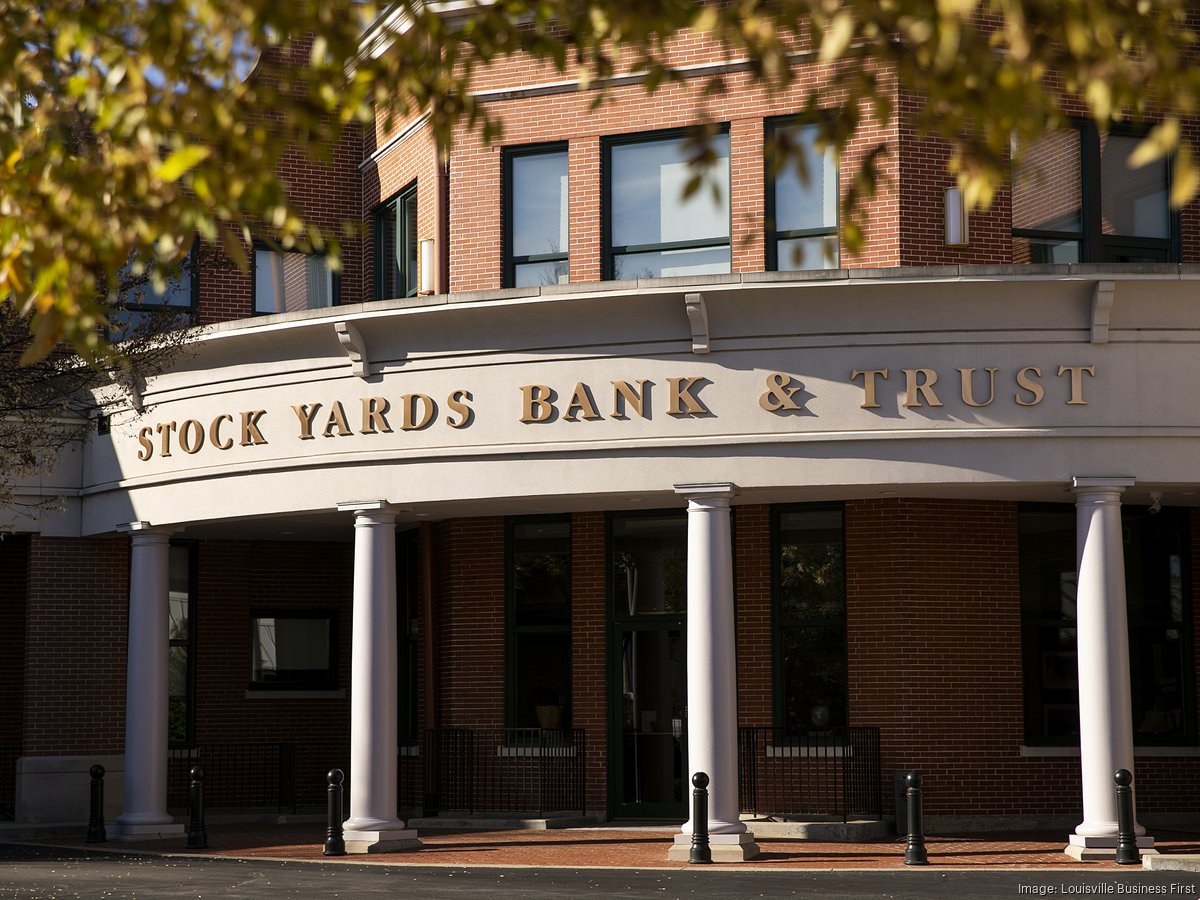
Stock Yards Bancorp (NASDAQ:SYBT) delivered a record second quarter, with earnings per share of $1.31, beating the consensus estimate of $1.08 by 21.3%. Revenue came in at $114.575 million, also ahead of the $111.632 million expected. The beat was driven by margin expansion and surging non-interest income, according to ChartMill. The company's net income rose 13.91% year over year, from $1.15 per share in the prior-year quarter.
The market reaction was muted in pre-market trading, which may reflect that the stock had already approached its 52-week high. SYBT has returned 15.16% over the past year, and its beta of 0.69 suggests lower volatility than the broader market.
Why the Earnings Beat Matters
The earnings beat is significant because it demonstrates the bank's ability to grow profitability despite a challenging rate environment. The operating margin stands at 48.62%, and the profit margin is 35.75%, indicating strong cost control and revenue quality. Revenue growth of 19.8% year over year, with revenue per share of $14.11, shows that the bank is expanding its top line effectively.
Non-interest income, which includes fees, was a key driver. This diversification reduces reliance on net interest income, which can be pressured when the Federal Reserve cuts rates. The margin expansion suggests the bank is managing its loan and deposit pricing well.
Analyst Reactions and Price Targets
Following the earnings release, several analysts updated their price targets. Keefe, Bruyette & Woods maintained a Market Perform rating and raised its target from $82 to $94. Stephens & Co. kept an Equal-Weight rating and lifted its target from $75 to $87. Hovde Group downgraded the stock from Outperform to Market Perform but raised its target from $82 to $90.
The mixed ratings reflect a cautious optimism. The price target increases acknowledge the strong quarter, but the downgrade by Hovde suggests that the stock's upside may be limited after its recent run. The average target of these three firms is approximately $90.33, implying modest upside from the current price, given the market cap of $2.64 billion and a price-to-book ratio of 2.33.
Valuation: Fairly Priced or Overvalued?
SYBT trades at a trailing P/E of 16.95 and a forward P/E of 14.98, which is reasonable for a bank with solid growth. The PEG ratio of 1.33 suggests the stock is fairly valued relative to its earnings growth rate of 13.9%. The dividend yield is 1.5%, with a payout ratio of 25.5%, leaving ample room for dividend increases or buybacks.
However, the price-to-book ratio of 2.33 is above the typical range for regional banks, which often trade around 1.5 to 2 times book. This premium may be justified by the bank's higher return on equity of 13.65% and return on assets of 1.53%, both above industry averages. But it also means the stock is not cheap, and any disappointment in future earnings could lead to multiple compression.
Risks to Consider
The primary risk is interest rate sensitivity. If the Fed cuts rates, net interest margins could shrink, pressuring earnings. The bank's reliance on fee income helps, but it may not fully offset the impact. Additionally, the stock's low beta and high price-to-book suggest that investors are paying up for stability, which could limit upside in a strong bull market.
Another risk is the concentration in the Louisville, Kentucky market, which could be affected by local economic downturns. The bank's loan portfolio quality, as indicated by a return on assets of 1.53%, is solid, but a recession could increase loan losses.
Balance Sheet and Capital Position
Stock Yards Bancorp maintains a strong balance sheet. The company's book value per share is $36.49, and the price-to-book ratio of 2.33 indicates that the market values the bank's franchise. The enterprise value of $2.24 billion is lower than the market cap, suggesting a net cash position, which provides financial flexibility.
The bank's accumulated other comprehensive income (AOCI) has been a source of volatility in recent years, but the latest data shows a net loss of $44.86 million as of December 31, 2025, which is manageable relative to equity. The bank's capital ratios are likely well above regulatory minimums, though specific figures are not provided in the evidence.
Outlook and Catalysts
Looking ahead, the bank's earnings growth is expected to continue, with a forward P/E of 14.98 implying that analysts anticipate further EPS increases. The company's revenue growth of 19.8% is strong, and if the bank can maintain its margin expansion, it could outperform.
Potential catalysts include continued fee income growth, potential acquisitions, and a favorable rate environment. However, the stock's recent run to near 52-week highs may already price in much of the good news. The muted pre-market reaction to the earnings beat suggests that investors are waiting for more evidence of sustained growth.
Conclusion
Stock Yards Bancorp's record Q2 earnings demonstrate a well-managed bank with strong profitability and growth. The analyst price target increases reflect confidence, but the downgrade by Hovde and the stock's elevated valuation warrant caution. At a trailing P/E of 16.95 and a price-to-book of 2.33, the stock appears fairly valued, with limited upside if earnings growth slows. Investors should weigh the bank's solid fundamentals against the risks of rate cuts and a potential economic slowdown. The stock is a hold for now, with a watchful eye on future earnings and interest rate trends.
Sources
- 1.SEC company facts for Stock Yards Bancorp, Inc.
- 2.OpenBB /api/v1/equity/fundamental/metrics
- 3.Finnhub company-focused news for SYBT
Disclaimer
This content is for educational and informational purposes only. It is not financial advice. Stratton Journal does not recommend any specific investment or trading strategy.